Global Recognition of Youth Engagement
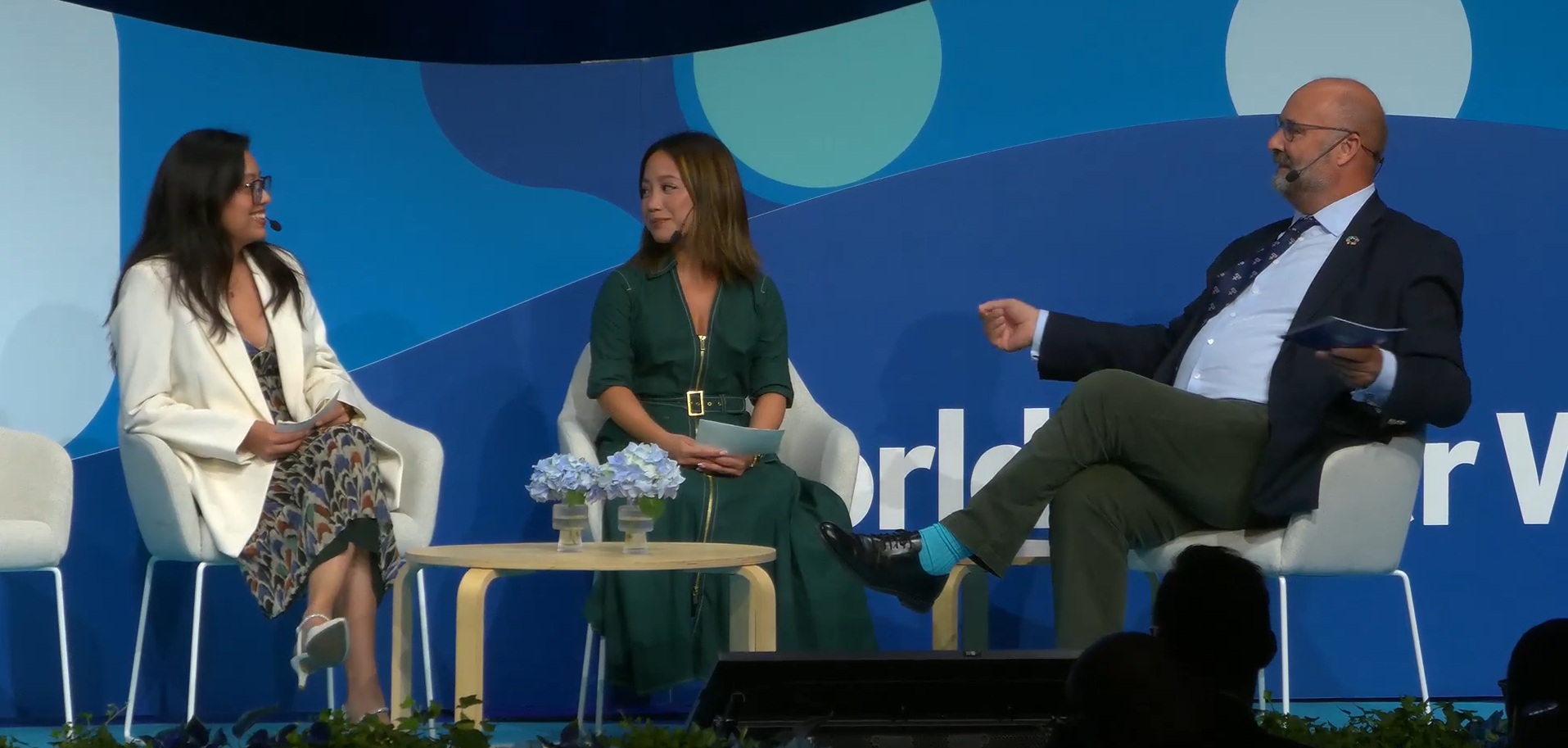
Youth engagement in the water sector has grown significantly over the past decade, gaining visibility and legitimacy at global forums. The International Secretariat for Water (ISW), through the Global Youth Movement for Water (GYMW), has brought together youth-led organizations and allies, providing credibility and recognition. Yet despite these advances, youth advocacy remains fragmented. This fragmentation weakens the collective voice of young professionals and diminishes their influence in shaping water governance and policy.
Inclusivity and Empowerment through Local Action
Local and community-based models show how youth, particularly from marginalized communities, can lead transformative water governance. By drawing on traditional knowledge and lived experiences, such models provide pathways for collective water management, climate resilience, and accountability at the grassroots.
Jal Saheli: Voices of the Vulnerable
An inspiring example comes from the Jal Saheli model in Bundelkhand, India. Led by young women aged 20–30 from marginalized communities, Jal Sahelis restore surface and groundwater ecosystems while advancing water security and equity. Their leadership has resulted in the revival of 216 water bodies, construction and repair of over 1,000 conservation structures, and improved access to drinking water in more than 300 villages.
Beyond infrastructure, Jal Sahelis engage local governance bodies, advocate for water rights and entitlements, and train other women to become stewards of water resources. In drought-prone villages where caste-based exclusion prevents access to clean water, Jal Sahelis collectively dug wells to ensure safe drinking water for all. Their determination has shifted community norms and inspired wider participation.
Scaling Local Models for Global Accountability
As the UN2026 Water Conference approaches, examples like Jal Saheli underscore how localized youth-led models can inform and strengthen global accountability frameworks. Youth-driven citizen monitoring of water policies, digital mapping of water resources, and peer-to-peer learning are powerful mechanisms to influence national and transboundary water governance.
Linking to South Asian Transboundary Cooperation
The lessons from Jal Sahelis also resonate beyond national borders. In shared river basins such as the Meghna, young leaders could apply similar approaches to build trust across communities in India and Bangladesh. By facilitating youth-led dialogues, data-sharing initiatives, and joint action on drought preparedness or flood mitigation, these grassroots models can help bridge political divides and promote regional water security.
Building Capacity for Climate Resilience and Water Security
Climate-induced challenges such as droughts, floods, glacier melt, require innovative, youth-inclusive actions under Integrated Water Resources Management (IWRM). Building the capacity of young professionals in data-driven approaches, climate modelling, and negotiations can bridge local realities with global processes, ensuring that water remains at the centre of climate resilience strategies.
Institutionalizing Youth Engagement
To move beyond symbolic participation, youth engagement must be institutionalized. Mechanisms such as youth quotas in governance bodies, formal roles in monitoring commitments, and structured capacity-building programs should be prioritized. Integrating traditional knowledge with modern water management practices strengthens both social and ecological resilience.
Towards a Youth-led Sustainable Future
The Jal Saheli model illustrates that empowering young women from marginalized communities can deliver remarkable outcomes in water security, governance, and equity. Global forums must now commit resources to youth-led transboundary dialogues, enabling young voices to influence negotiations on shared water resources, drought preparedness, and flood mitigation.
As the world prepares for UN2026WC, the imperative is clear: harness the leadership, creativity, and accountability of young people to drive a water-secure and climate-resilient future.